The Cicadas Are Coming!
by: Greg Bellan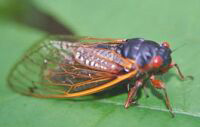
By now I'm sure that everyone has heard about the uncoming onslaught that we're about to get his with. Brood X (a periodical cicada) about to hit the Washington DC Metro area - and there is going to be a TON of them (the Washington Post said that in some areas, there will be over a million per acre!!! I started doing some digging and came up with some interesting facts about these lovely little animals that we get to share summer with:
- The cicada grows up to three inches.
- Adult cicadas live for thirty to forty days.
- A cicada can chirp so loud you can hear it from half a mile away.
And here are some frequently asked questions that I found answers to on the web:
Question: Do cicadas bite or sting?
Answer: No. Cicadas aren't equipped to bite or sting. They do have prickly feet which can pinch or scratch. If they confuse you with a tree branch they might try to drink fluids from you or lay some eggs in you, which you would definitely feel.
Question: Will the cicadas kill my trees, shrubs and flowers?
Answer: No. Cicadas don't kill flowers or shrubs, but they will do minimal damage to deciduous trees (maples, oaks, fruit trees). Unless you have an orchard or a prize ornamental fruit tree I wouldn't worry. Cicadas actually are a benefit to trees, as they destroy the weaker branches. Please don't use pesticides — you'll destroy the good bugs as well and the "nuisance" bugs, and ultimately do your garden and the environment a huge disfavor.
Question: Is it safe for my pets to eat cicadas?
Answer: Yes, but they may choke on them or gorge themselves and become ill. Keep an eye on your pet to make sure they don't eat too many. Big stupid dogs love them.
Question: How long does a Magicicada emergence last?
Answer: About a month. First, you'll find "soil chimneys" around your yard. A few days later, they emerge as nymphs, but they don't all emerge on the same day. It might take a week or more for every cicada in your area to emerge. Once they emerge they climb what they hope is a tree, they shed they shells, and begin to dry their new wings. Once their new skin and wings are dry and hardened, they begin to fly around looking for mates. After they mate, the male, exhausted, quickly begins to die. Once the female find a branch to scratch and lay her eggs in, she also begins to die. Your dog eats them. The eggs hatch and the larvae begin feeding on the branch sap. When they're big enough (about the side of a grain of rice) they fall to earth and start digging. If they fall into your hair it's kind of gross. They dig and find a root suitable for sucking. 17 years later they emerge again.
For more information on these insects, visit http://www.cicadamania.org/ . (Note: this website address no longer is functional).
 Click
for printer friendly page Click
for printer friendly page
|


